


Underground settings have always carried a special allure. They evoke mystery, danger, and the thrill of stepping into the unknown. Azeroth’s deepest caves, tunnels, and cavern networks embrace that feeling with environments shaped by ancient forces, forgotten histories, and natural wonders hidden far from the surface. These spaces compel players to push forward not because they must — but because they need to understand what lies beneath.
This article explores why Azeroth’s underground settings inspire exploration, revealing what makes the world below so immersive and unforgettable.
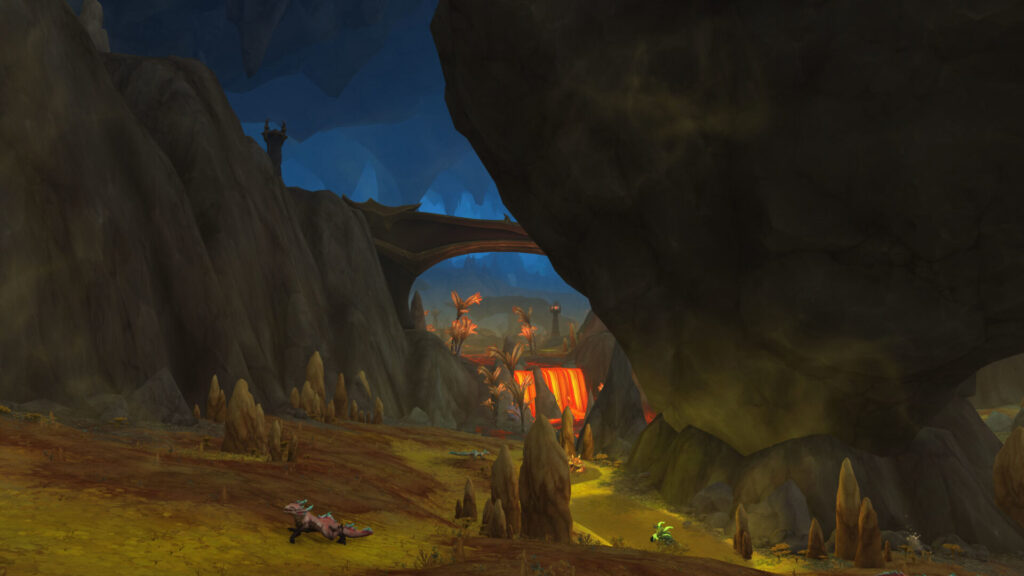
The Emotional Pull of the Unknown
Descending into a cavern shifts the tone of exploration. Sunlight disappears, ambient sound changes, and the world narrows into winding paths shaped by time and pressure. Caves create anticipation through uncertainty — every turn might reveal danger, treasure, or ancient remnants of civilizations long gone. This emotional tension pushes players forward with curiosity that feels different from surface exploration.
Underground spaces turn mystery into momentum.
Caves as Natural Storytelling Spaces
Unlike many above-ground zones, caves rely heavily on environmental storytelling. Broken tools, carved stone, glowing crystal formations, and abandoned campsites speak louder than quest text. The absence of sprawling vistas sharpens attention to detail. Each chamber feels like a chapter, and each corridor like a narrative thread. The environment itself tells a story of time, survival, conflict, or forgotten purpose.
To highlight how caves communicate narrative, here is a brief breakdown:
- Fossils and remains hint at ancient predators and extinct species
- Runes and inscriptions reveal lost languages and hidden cultures
- Strange flora suggests magical or corrupted ecosystems
- Atmospheric sound shifts indicate nearby threats or underground rivers
- Collapsed tunnels reflect battles or natural disasters from ages past
The World Beneath as a Living Ecosystem
Azeroth’s underground settings feel alive because they are full ecosystems with their own rules. Strange creatures thrive without sunlight. Crystals pulse with arcane energy. Fungal forests illuminate otherwise pitch-black caverns. Rivers carve paths through stone, and bioluminescent insects create surreal ambience. These details build the sense that the underground world exists independently of surface events.
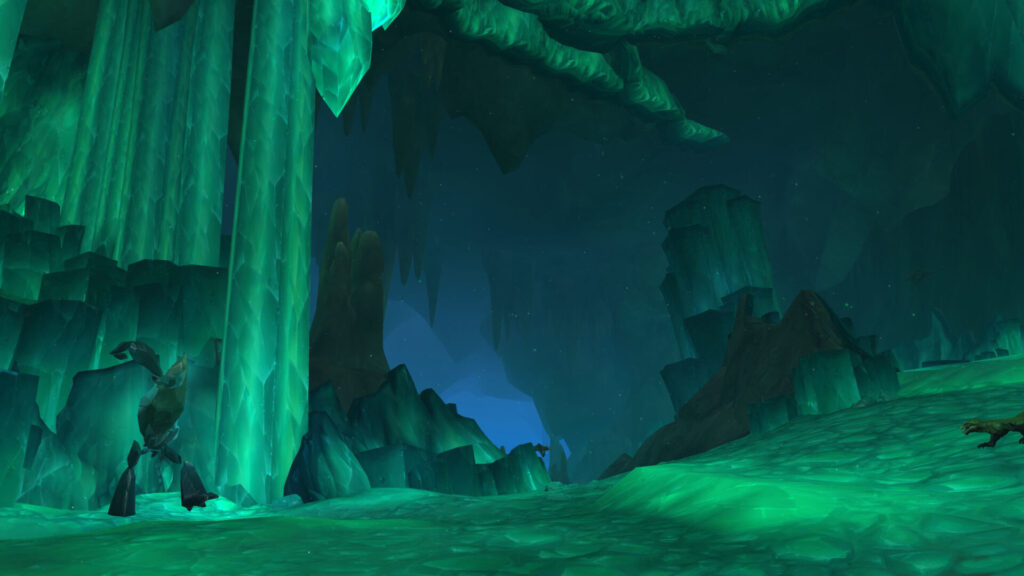
Depth creates its own identity, separate from everything above.
The Thrill of Vertical Exploration
Unlike open continents, caves transform exploration into a multi-layered experience. Players climb narrow ledges, descend vertical shafts, and navigate winding tunnels that twist beneath mountains. These shifts in direction turn movement itself into a form of discovery. The limited space intensifies awareness, rewarding precision and patience rather than speed.

Exploration becomes a puzzle, not a path.
Why Underground Settings Endure in Memory
Players remember caves because they evoke emotion: anticipation, tension, and awe. These environments are personal and intimate, offering moments of quiet discovery away from the chaos of the surface. The world feels older underground, untouched by modern conflict. This timeless quality leaves a lasting impression, making underground journeys some of the most memorable experiences in exploration-driven content.
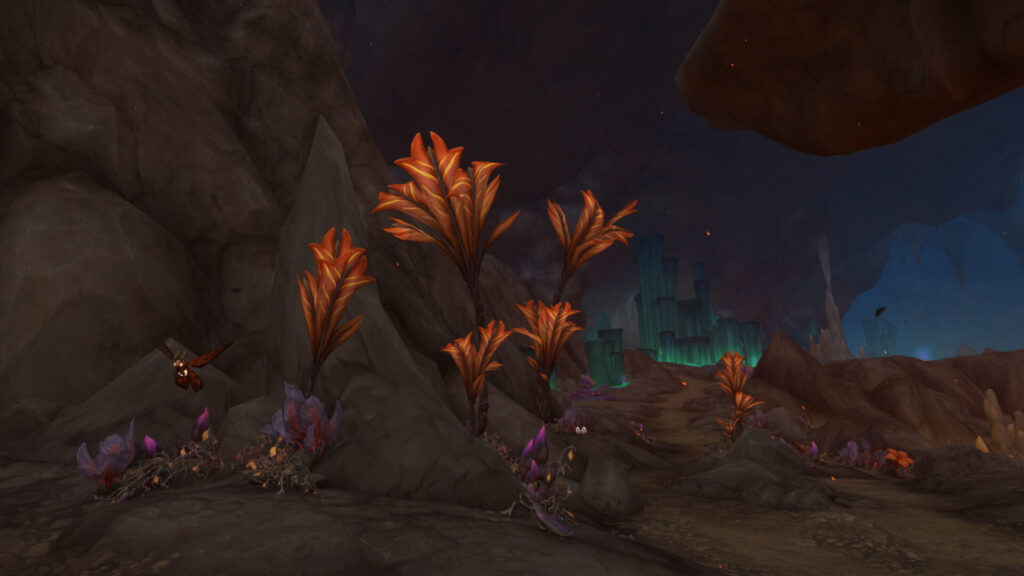
The deeper players go, the more alive the world feels.
Conclusion
Azeroth’s deepest caves inspire exploration through mystery, atmosphere, vertical discovery, and environmental storytelling. These subterranean worlds transform movement into narrative and curiosity into momentum. By inviting players into spaces shaped by ancient forces, underground settings enrich the emotional and historical depth of the world — offering adventures that linger long after the torchlight fades.