
A “retcon” happens when a new story changes or re-explains something from the past. World of Warcraft has a long history, and sometimes new writers or needs mean old lore gets changed. This guide looks at some of Azeroth’s biggest retcons. We will see which changes helped the story, making it better and more interesting. We will also look at changes that caused problems, confusing players or breaking old lore that people loved. Understanding retcons helps you see how the story evolves and sometimes struggles with its own past.
The Draenei/Eredar Change (Worked)
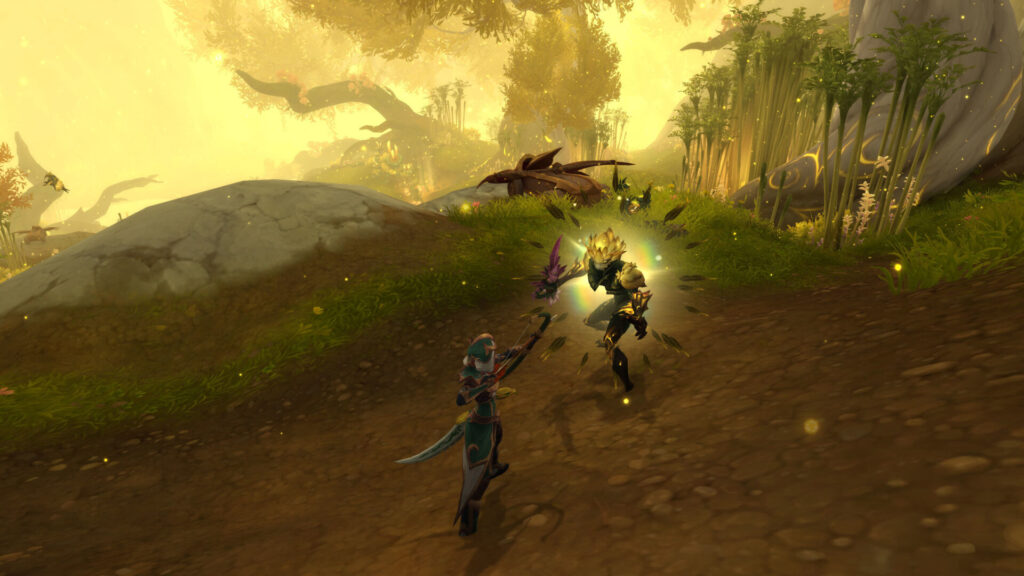
Original lore said the Eredar were always demons. Then, in The Burning Crusade, the Draenei were introduced. The story changed: the Eredar were originally a noble, magic-using race. Sargeras corrupted most of them, turning them into demons. But a group led by Velen escaped and became the Draenei. This retcon worked well. It gave the Draenei a deep, tragic backstory, connecting them directly to the Burning Legion’s origin. It made them a more interesting race than just “space goats.” It also added a new layer to Sargeras’s corruption, showing he could twist powerful, non-demonic beings. This change made the universe feel bigger and more complex, improving the story for many players.
The Chronicle Cosmology (Worked)
The “Chronicle” books laid out a new, clear structure of the cosmic forces in Warcraft: Light, Shadow, Order, Disorder, Life, and Death. Before this, the origins of these forces were often vague or contradictory. The Chronicle put everything into a neat chart, explaining where the Titans, Old Gods, and the Legion fit. This retcon worked because it gave players a stable framework for understanding the universe. It helped make sense of many confusing elements and provided a clear “science” to the magic. While it simplified some things, it brought much-needed clarity, allowing new stories to be told on a firm base. It organized the entire universe effectively.
- Before: Cosmic forces were unclear, often vague.
- Retcon: Chronicle books define six primary cosmic forces (Light, Shadow, etc.).
- Impact: Provided a clear, consistent structure for the universe.
- Result: Made sense of many confusing lore points, allowed for focused future stories.
- Why it worked: Brought much-needed order to a chaotic lore landscape.
Sylvanas’s Actions and Intentions (Didn’t Work Well)
Sylvanas Windrunner’s character saw many changes, especially in Battle for Azeroth and Shadowlands. Her actions, like burning Teldrassil (the Night Elf tree-city) and then serving the Jailer, felt confusing for many players. Her motivation seemed to shift often, from protecting the Forsaken to having a larger, secret plan. This retcon, or constant re-explanation of her character, made her story feel less natural. Players found it hard to connect with her changing goals. It felt like the writers were making up reasons for her actions after the fact, rather than her having a clear, consistent path. This often left players feeling frustrated and disconnected from a major character.
The Lich King’s Origin (Mixed Results)
The original story for the Lich King was that Ner’zhul was the main mind, controlling Arthas. Later, the lore changed to show that Arthas gradually took over Ner’zhul’s spirit, becoming the dominant mind. This retcon had mixed results. For some, it made Arthas’s fall more powerful, showing his own choices leading to his evil. For others, it lessened Ner’zhul’s importance and made the story feel less like a continuous thread. It removed some of the chilling external corruption aspect. While it boosted Arthas’s character, it changed the dynamic of the Lich King’s internal struggle in a way that not everyone appreciated. It changed the focus of the villain.
The Old Gods’ True Power (Mixed Results)
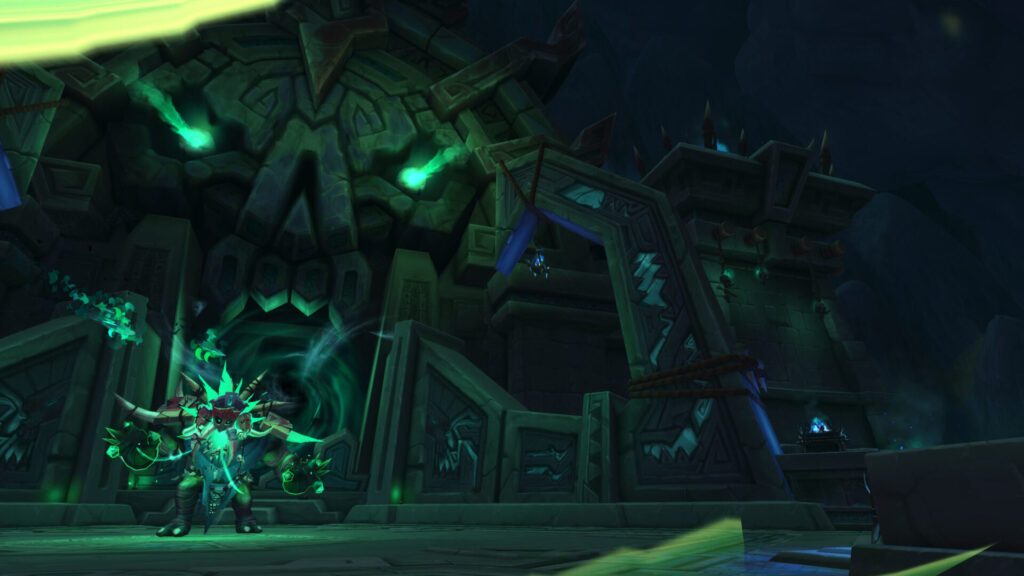
Initially, the Old Gods were seen as beings that simply drove people mad. Later, especially with the Chronicle books, their power was shown to be much greater, almost cosmic in scale, capable of corrupting entire planets and being tied to the Void Lords. This change made them more terrifying and important to the universe’s structure. However, it also made their defeat in game feel less impactful, as their true power seemed too vast to be handled by mere mortals. This retcon amplified their threat but sometimes made their in-game portrayal feel small in comparison. It gave them a bigger role but made their physical manifestations feel weaker.
The Legion’s Defeat (Didn’t Work Well for Some)
The Burning Legion was built up as the ultimate, endless threat for many years. Then, in the Legion expansion, Sargeras was defeated and imprisoned. This felt like a big win, but for some players, it felt too quick for such a long-standing enemy. The idea that Sargeras, the ultimate evil, could be taken down in one expansion by mortal heroes felt like a sudden shift. While it moved the story forward, it also reduced the sense of the Legion’s eternal threat. This retcon wrapped up a huge plotline, but its speed left some feeling that such a vast enemy deserved a longer, more drawn-out end. It changed the feeling of the Legion’s power too quickly.
